Category: Techniques

  • Basic Ingredients of Homemade Beer Recipes

    Basic Ingredients of Homemade Beer Recipes

    For any home beer brewer, it never hurts to spend a little time understanding the basics of homemade beer recipes. Since most recipes hold four key ingredients (water, fermented sugar, hops and yeast) the more you understand these ingredients, the better you’ll be at manipulating and brewing to produce the tastiest homemade beer possible.

    If you think about it, water is the basic ingredient in beer and yet too many people don’t consider the quality of the clear liquid when they add it to their brewery. If you don’t live in an area where the tap produces clear, safe water, then make sure you purchase gallon jugs of purified water to use in your homemade beer recipes. The purest ingredients will get you the best tasting results; you don’t want something as simple as water getting in the way of quality beer.

    Fermented sugar is also found in all beers but most beer brewers refer to this as malted barley. Barley is the actual seed of the barley plant, a grain that resembles wheat. There are different types of barley that will produce a unique taste when added to homemade beer recipes. Malted barley has been allowed to germinate for almost forty hours and then soaked in water to increase the amount of water found in the seed. After a draining process, it is slow-cooked for about thirty hours before it is ground into small pieces. After another round of heating, it produces a sweet liquid that is then ready to add to the beer mixture.

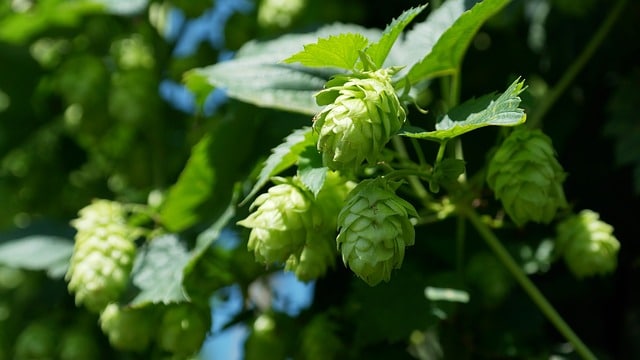
    Have you ever heard someone drink a glass of beer and comment, “Not too hoppy?” They are referring to the third and vital ingredient as hops. The actual hop is the flower of the hop plant that usually comes in compressed little pellets greenish in color. Because the fermented sugar that comes from malt barley is so sweet, hops are needed to balance out the sweetness. With a bitter taste, the amount of hop flower you add to the beer will determine the intensity of the sweet flavor.

    The final standard ingredient in beer is yeast. When thinking about yeasts remember this: not all yeasts are created equally! This will keep you from a common mistake among beginner beer brewers: using bread yeast. Beer yeast is made especially for use in homemade beer recipes and comes in two varieties: ale and lager. You need the yeast to convert the sugar into alcohol. Ale yeasts are referred to as top fermenting because during the fermentation process they will rise to the top. Lager yeasts are just the opposite (bottom-fermenting) and will settle at the bottom of your brewing container. Yeasts are essential to unique flavors of beer as they produce various aroma byproducts.

    Overtime you can make your homemade beer recipes your own by adjusting the levels of yeast, hops, malted barley and water that you use. Don’t be discouraged if it takes a while to get the right tasting beer – the rewards are definitely worth the struggle!

  • Home Brewing Beer With Kegs Is Easy And Less Expensive

    Home Brewing Beer With Kegs Is Easy And Less Expensive

    Home brewing beer with kegs is a lot easier than you may have imagined. If you are ignorant about how to go about this task then you will be missing out on a great opportunity as well as miss out on saving a good deal of money. If you are still in doubt then consider the fact that it only costs six dollars a gallon when you undertake home brewing beer with kegs.

    Start by Buying a Kit

    The first step you need for home brewing beer with kegs is to go out and buy a kit that contains, among other things, the keg, tap as well as many other tools that will come in handy later on. Also included are the ingredients such as hops as well as containers. These kits that cost a mere twenty dollars will set you on the way to home brewing beer with kegs and once you start you will find it hard to stop.

    The cost of the kit depends on how much beer you wish to brew as well as your level of expertise. Home brewing beer with kegs provides you with the opportunity to brew delicious beer that will taste the way that you want it to taste and you will find it to be a hobby worth pursuing. After a long day at the office, home brewing beer with kegs will provide you with a way to unwind with a cool glass of beer that you yourself has made.

    After having purchased the kit, it follows that you must then ensure that you follow the instructions to the T and also make sure that you measure the ingredients exactly. If you don’t get the quantities right by even a small margin, the taste can be different from your expectations. There are also home-brew radio stations as well as brew pubs that promote unpasteurized beer which shows how popular home brewing beer with kegs has become.

    You will need to follow the basics of converting sugars into ethyl alcohol as well as carbon dioxide by yeast through the process of fermentation. The real difference between home brewing beer with kegs and the commercial means is that of scale, and if you have the right and sophisticated brewing abilities, there is no reason why you should not be able to brew the beer exactly as per you desire.

    If you have the right equipment and have a degree of sophistication in your brewing abilities and you put in enough effort, you should also be able to make beer of quality as good as professional beer makers.

  • Five Step Process For Making Beer At Home

    Five Step Process For Making Beer At Home

    Congratulations on your interest in homemade beer! You have joined the ranks of thousands of men and women across the country that enjoys this American pastime. Below you’ll find a five-step process for making beer at home to get you started.

    The five-step process for making beer at home is simple: brewing, fermenting, priming and bottling, aging and enjoying! This step-by-step overview is not meant to be exhaustive but to give you a general overview of what to expect before the brewing begins.

    Brewing
    During the brewing process your goal is to get the entire bitter flavoring out of the hops. You’ll begin by boiling water, extracting the wort from malted barley, re-hydrating the dry yeast and cooling the entire mixture. You’ll typically perform all of this on the stove pot over a sturdy metal pot. You don’t want to rush this process!

    Fermenting
    After the mixture has cooled, you’ll being the process of fermentation. This is an important part for making beer at home and you’ll need to pull out your fermentation bucket to accomplish it. Combining the yeast and the wort (with the hops) into the bucket it’s time to wait. Put the brew into a secure location, place the airlock firmly in place and practice a little patience. You do not want to disturb the mixture for two more weeks so make sure it is tucked away somewhere safe with a stable temperature of around sixty-five to seventy degrees Fahrenheit.

    Priming and Bottling
    This is the exciting stage as you are about to create nice, fizzy beer for your enjoyment! Keep in mind that a 5 gallon batch of beer can typically produce anywhere from forty to forty-eight bottles of beer. Remember that you can easily recycle old beer bottles, just be sure they are cleaned out. If you want carbonated beer then you’ll need to add what is referred to a priming sugar. When sugar is added back into the beer it will release a natural carbonation as it causes a slight re-fermentation to occur. There are many recipes available for priming sugars so use the one that’s best for you.

    After the priming sugar has been added you are ready to fill the bottles, which is the third step in the process of making beer at home. Using your siphon and bottle filling wand, fill each bottle and cap immediately. No matter how careful you are it is likely a small amount of beer will spill so keep a towel handy.

    Aging
    You might be ready to drink your beer now but the bottles need time to carbonate. This should take another two weeks or so before you can consume. Once again you’ll have to practice the most important aspect in the process of making beer at home: patience! They need the same temperature consistency as during the fermenting stage so tuck them away someplace nice and warm.

    Enjoying
    While some people like lukewarm beer, most feel the beverage is consumed best when ice cold. Once your beer is done aging, stick it in the fridge overnight to enjoy the next day. Then, kick back, relax and reward all of your hard work with an ice cold refreshing beer!

  • The Fast Track Way to Making Beer at Home

    The Fast Track Way to Making Beer at Home

    There are a lot of people who have taken the plunge to buy all the equipment and get started making their own beer from scratch at home. But the odds are that just as many people are curious about brewing beer at home but are pushed away by the challenge of buying all this stuff and figuring out how to do it and then the problem of the mess and the storage of equipment and beer in different phases of fermentation and completion.

    For many, what is needed is an easy way to give home brewing a shot without having to go to all the effort of buying a complete set up of equipment, all of the ingredients and the bottles and storage just to find out if you like it. What is not generally known is that there is such a fast track way to making beer at home. By buying a simple device called a beer making machine, you can easily make a batch of beer right in the home

    The good thing about a beer making machine is that it is basically a plug and go situation. This takes a lot of the intimidation out of buying many individual units of equipment and going through each step of brewing and fermentation by the seat of your pants. The brewing machine goes a long way to take the preparation over so you can do all the steps using the resources of the machine. When you buy the machine, it comes with the ingredients and instructions.

    The entire design of a beer making machine is based on the idea of reducing the mess and fuss of beer making for that first time home brewer who needs to have some of the joy of making their own brew but not as much of the work and the worry. You certainly don’t have to be a beer making guru to use these user friendly machines because the instructions are clear and written in an understandable way and the ingredients come measured and ready to go.

    But as with any ready made solution for discovering something as great as home brewing your own beer, there are pluses and minuses to breaking yourself in on a beer making machine. Probably one of the biggest pluses is that they are a one time use machine that you can use and throw away. This gets the problems of cleaning and sanitation out of the loop entirely. All of the ingredients are prepared and ready to add in premeasured amounts so the fuss and worry about going from completely raw materials is removed as well. It is just about as user friendly as you can make home brewing be.

    The down side of using a beer making machine to break into the craft of home brewing is that because it is completely set up when you buy it as a kit, you don’t get the change to play with the ingredients and enjoy the creativity and experimentation that is a big part of why beer making is so fun. You go through the steps and make one good batch of beer. But you don’t have the chance to make it a great batch of beer because you cannot make changes to the ingredients as you go.

    Also a beer making machine is sold to make one and only one batch of beer and then you, in theory, are to throw it away. This may seem like a big waste and you might try to clean it up to use it again. But the real idea of the product is as a starter experience. It really isn’t the kind of thing intended for you to buy a new kit every month and continue making that same kind of beer each time.

    But keep the perspective that it is not really designed to be your total and final solution for beer making. By breaking into home brewing with the beer making machine, you get some of the experience of making and fermenting your own beer and then bottling it to serve a few weeks later as a genuine product of your little at home brewery. And the fun of that may be a great way for you to start making beer and then grow into a hobby that may last a lifetime.

  • Home Brewing Beer With CO2 Can Go With A Pop

    Home Brewing Beer With CO2 Can Go With A Pop

    Beer has been brewed at home, more or less for the past several thousand years. There is not much said about the practice before the nineteenth century. At some point though, men figured out that CO2 (carbon dioxide) was needed for brewing beer at home. This most likely strengthened the fascination with home brewing. Larger breweries were not quite so thrilled with the home-based competition.

    The Inland Revenue Act of 1880 in the United Kingdom demanded private citizens to pay for a license in order to pursue their pastime. The same types of hardships were felt by home brewers in the United States. A law passed in 1920 banned anyone, private of company to produce alcohol. Organized crime saw a boost in activity during the famous “Prohibition” period.

    Times have changed now and home brewing is enjoyed by many, with interest in the process growing as more time passes. It can be a very relaxing and enjoyable hobby. There is some work that goes into making beer at home, but it is minimal and the result is something really great that you can share with friends and family.

    What CO2 Is To Brewing Beer At Home

    Brewing beer at home is not at all difficult as long as you can and will follow directions. There are four basic ingredients necessary for every batch you make:
    Water
    Yeast
    Malted Grain
    Hops

    There is a fifth ingredient, but it arrives a little late to the party: carbon dioxide, or CO2. You cannot brew beer at home without it. Actually no one can brew beer anywhere without carbon dioxide. How do you get it? It is produced by the yeast and hops in the beer. There is an important process of aging that is necessary if you want really good beer.

    Once bottled, leave it be for no less than two weeks. It is during this time that the carbon dioxide is produced and your beer is carbonated. There are a few other ways to add CO2 to your home brewed beer, but the aging is still something to allow.

    The quick way to possibly add CO2 to beer brewed at home is to pump it into your keg or container directly. This speeds up the aging process and gets you to your brew a lot faster.

    The more traditional way for home brewing beer with CO2 is by adding wort to the finished product before sealing it. Wort is simply unfermented beer; adding that for the yeast produces carbon dioxide.

  • The Many Paths to Great Home Made Beer

    The Many Paths to Great Home Made Beer

    Before you really get oriented to what home brewing is all about, it’s easy to think it is a process that is set in stone and there is only one right way to do it. And it is true that the brewing and fermenting process has some steps that must be followed with some discipline if you wish to enjoy a great home made beer. But one of the reasons that home brewing is such a passion to many people who enjoy this way of making beer is that there as so many varieties of recipes and styles of making.

    You can easily get a feel for what a huge variety there is in ways to brew beer and in recipes for ingredients when you visit your local beer supplies retailer, go to home brewing web sites or sit in at home brewing club meetings in town. And the great thing about the social side of the home brewing culture is that you will come home with a notebook full of ideas of things you can try on upcoming batches of beer. The odds are you will have months of ideas to try out and you may never run out of new approaches, blends and recipes to try to make your home made beer interesting and tasty for yourself, your family and your friends.

    For that first time home brewing recruit, one of the best ways to help him have the fun of making beer at home without so much investment and mess that will come in due time is to go with a home brewing kit or machine. Beer making machines literally take all of the thinking and planning and risk out of trying out home brewing to see if you want to make the investment in a full set up. The machine comes with a full set of ingredients for one batch of beer and the equipment is automated so the novice home brewer can make the beer and move it through the fermentation and aging process and know the fun of having real home made beer a few weeks later.

    Similarly kits simply the process of buying and using the equipment and ingredients to get started in home brewing. Unlike the beer making machine which is used once and discarded, the beer maker’s kit gives you the basic equipment which will be the beginning of your collection of the tools of a beer maker to be used over and over many times. But the kit provides the ingredients and the instructions to make the process of learning to make your own beer easy and fun to learn.

    Even for seasoned home beer makers, there are variations on the home brewing method that will give you more flexibility and range of choices that will affect how unique your beer will be. But each may have a greater investment of work and effort to use effectively so it’s worth getting familiar with them in advance so you know your investment of time and effort and what you might expect with a new brewing method.

    Probably the most common brewing method most amateur brewer’s use and the one that is taught in most home brewing guides is the extract method. And even though it is well known, because you are truly brewing beer yourself as opposed to using a kit or a machine, you can alter the consistencies and flavors of your beer and get a wonderful brew each time you use this approach.

    You can settle on the extract method for a long time or perhaps use it exclusively for your brewing career and get great beers with it every time. But if you want a greater challenge and the possibility for even more unique beers as a result, you can explore the Mini-Mash method and the Full Mash Brew styles of home brewing. Each is more complex and takes longer to finish the brewing process. But they also give you a lot of flexibility and even more ability to make your own beer unique and distinctive.

    It’s up to you where to start in your beer brewing hobby and the paths you take. You can explore new approaches through networking with other brewers. But you will never get bored brewing beer at home because the variety of methods and ingredients are virtually limitless.