Category: Featured

  • Five Best Homemade Beer Kits

    Five Best Homemade Beer Kits

    As winter winds down and spring kicks in, chances are your mouth is watering for some ice-cold beer. Maybe fond memories of days at the ballpark are flooding into your mind or taking foamy sips with your dad. There’s really nothing like beer to bring back good times. For those of you interested in making your own brew this year, here are some recommendations to get you started. Below, you’ll find the top five best homemade beer kits on the market.

    Home Brew Academy and Midwest Supplies Kit
    The homemade beer kit that wins hands down is the Home Brew Academy and Midwest Supplies Kit. Released just this year in February 2013, it’s perfect for first-time home brewers. The kit will cost you around $130 and includes a long list of supplies. Like most beer kits, it does include a kettle, bottle and ingredients so don’t open the box and expect to start brewing if you haven’t made these purchases. Because it’s connected to an established organization, you can visit the Home Brew Academy’s website, register for free and watch video tutorials to get you started.

    More Beer!
    More Beer offers a homemade beer kit for about $110. The kit has a few of the supplies to get you started but you will also need a 5 gallon brewing kettle, glass beer bottles (you can recycle old bottles so start saving), and a beer ingredient kit for every batch. The kit comes with instructions but general feedback is that they are not very easy to follow. If you choose this kit, be sure and watch plenty of videos from other sites to get you started.

    Northern Brewers Deluxe Starter kit
    This kit gets five star ratings from reviewers. Although reviews are small in number, they all seem to be legit and give the kit great feedback. Based on what Fermenter and Beer Recipe Kit you choose, the kit will cost around $150 and comes with a free copy of their Getting Started in Homebrewing DVD. Like other kits, you will need to purchase your own beer bottles (again, you can reuse beer bottles so start a collection), kettle and ingredients.

    New Brewers Complete Homebrew Beer Making Kit by Monster Brew
    The third recommendation for a homemade beer kit is offered from Monster Brew. It costs around $150 with shipping but you’ll get five gallons of beer out of it along with the bottles to put the beer into. You’ll receive an instruction booklet as well as a variety of videos on their website to get you started.

    Mr. Beer Premium Gold Edition
    If you are looking for something super simple to brew your first homemade beer, then try the Mr. Beer Premium Gold Edition Home Brew Kit. You can buy the kit from Amazon for just $46 and you’ll get four gallons of home brewed beer. The nice thing about this kit is that if you try it and don’t like the flavor, you haven’t invested that much cash. Plus, if you have Amazon Prime you can get the kit delivered in just two days.
  • Basic Ingredients of Homemade Beer Recipes

    Basic Ingredients of Homemade Beer Recipes

    For any home beer brewer, it never hurts to spend a little time understanding the basics of homemade beer recipes. Since most recipes hold four key ingredients (water, fermented sugar, hops and yeast) the more you understand these ingredients, the better you’ll be at manipulating and brewing to produce the tastiest homemade beer possible.

    If you think about it, water is the basic ingredient in beer and yet too many people don’t consider the quality of the clear liquid when they add it to their brewery. If you don’t live in an area where the tap produces clear, safe water, then make sure you purchase gallon jugs of purified water to use in your homemade beer recipes. The purest ingredients will get you the best tasting results; you don’t want something as simple as water getting in the way of quality beer.

    Fermented sugar is also found in all beers but most beer brewers refer to this as malted barley. Barley is the actual seed of the barley plant, a grain that resembles wheat. There are different types of barley that will produce a unique taste when added to homemade beer recipes. Malted barley has been allowed to germinate for almost forty hours and then soaked in water to increase the amount of water found in the seed. After a draining process, it is slow-cooked for about thirty hours before it is ground into small pieces. After another round of heating, it produces a sweet liquid that is then ready to add to the beer mixture.

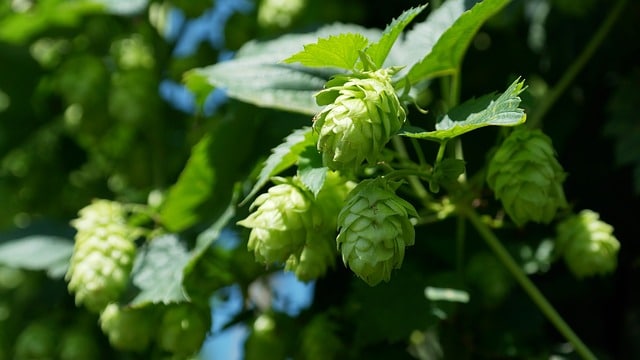
    Have you ever heard someone drink a glass of beer and comment, “Not too hoppy?” They are referring to the third and vital ingredient as hops. The actual hop is the flower of the hop plant that usually comes in compressed little pellets greenish in color. Because the fermented sugar that comes from malt barley is so sweet, hops are needed to balance out the sweetness. With a bitter taste, the amount of hop flower you add to the beer will determine the intensity of the sweet flavor.

    The final standard ingredient in beer is yeast. When thinking about yeasts remember this: not all yeasts are created equally! This will keep you from a common mistake among beginner beer brewers: using bread yeast. Beer yeast is made especially for use in homemade beer recipes and comes in two varieties: ale and lager. You need the yeast to convert the sugar into alcohol. Ale yeasts are referred to as top fermenting because during the fermentation process they will rise to the top. Lager yeasts are just the opposite (bottom-fermenting) and will settle at the bottom of your brewing container. Yeasts are essential to unique flavors of beer as they produce various aroma byproducts.

    Overtime you can make your homemade beer recipes your own by adjusting the levels of yeast, hops, malted barley and water that you use. Don’t be discouraged if it takes a while to get the right tasting beer – the rewards are definitely worth the struggle!

  • Home Brewing Beer With Kegs Is Easy And Less Expensive

    Home Brewing Beer With Kegs Is Easy And Less Expensive

    Home brewing beer with kegs is a lot easier than you may have imagined. If you are ignorant about how to go about this task then you will be missing out on a great opportunity as well as miss out on saving a good deal of money. If you are still in doubt then consider the fact that it only costs six dollars a gallon when you undertake home brewing beer with kegs.

    Start by Buying a Kit

    The first step you need for home brewing beer with kegs is to go out and buy a kit that contains, among other things, the keg, tap as well as many other tools that will come in handy later on. Also included are the ingredients such as hops as well as containers. These kits that cost a mere twenty dollars will set you on the way to home brewing beer with kegs and once you start you will find it hard to stop.

    The cost of the kit depends on how much beer you wish to brew as well as your level of expertise. Home brewing beer with kegs provides you with the opportunity to brew delicious beer that will taste the way that you want it to taste and you will find it to be a hobby worth pursuing. After a long day at the office, home brewing beer with kegs will provide you with a way to unwind with a cool glass of beer that you yourself has made.

    After having purchased the kit, it follows that you must then ensure that you follow the instructions to the T and also make sure that you measure the ingredients exactly. If you don’t get the quantities right by even a small margin, the taste can be different from your expectations. There are also home-brew radio stations as well as brew pubs that promote unpasteurized beer which shows how popular home brewing beer with kegs has become.

    You will need to follow the basics of converting sugars into ethyl alcohol as well as carbon dioxide by yeast through the process of fermentation. The real difference between home brewing beer with kegs and the commercial means is that of scale, and if you have the right and sophisticated brewing abilities, there is no reason why you should not be able to brew the beer exactly as per you desire.

    If you have the right equipment and have a degree of sophistication in your brewing abilities and you put in enough effort, you should also be able to make beer of quality as good as professional beer makers.

  • Five Step Process For Making Beer At Home

    Five Step Process For Making Beer At Home

    Congratulations on your interest in homemade beer! You have joined the ranks of thousands of men and women across the country that enjoys this American pastime. Below you’ll find a five-step process for making beer at home to get you started.

    The five-step process for making beer at home is simple: brewing, fermenting, priming and bottling, aging and enjoying! This step-by-step overview is not meant to be exhaustive but to give you a general overview of what to expect before the brewing begins.

    Brewing
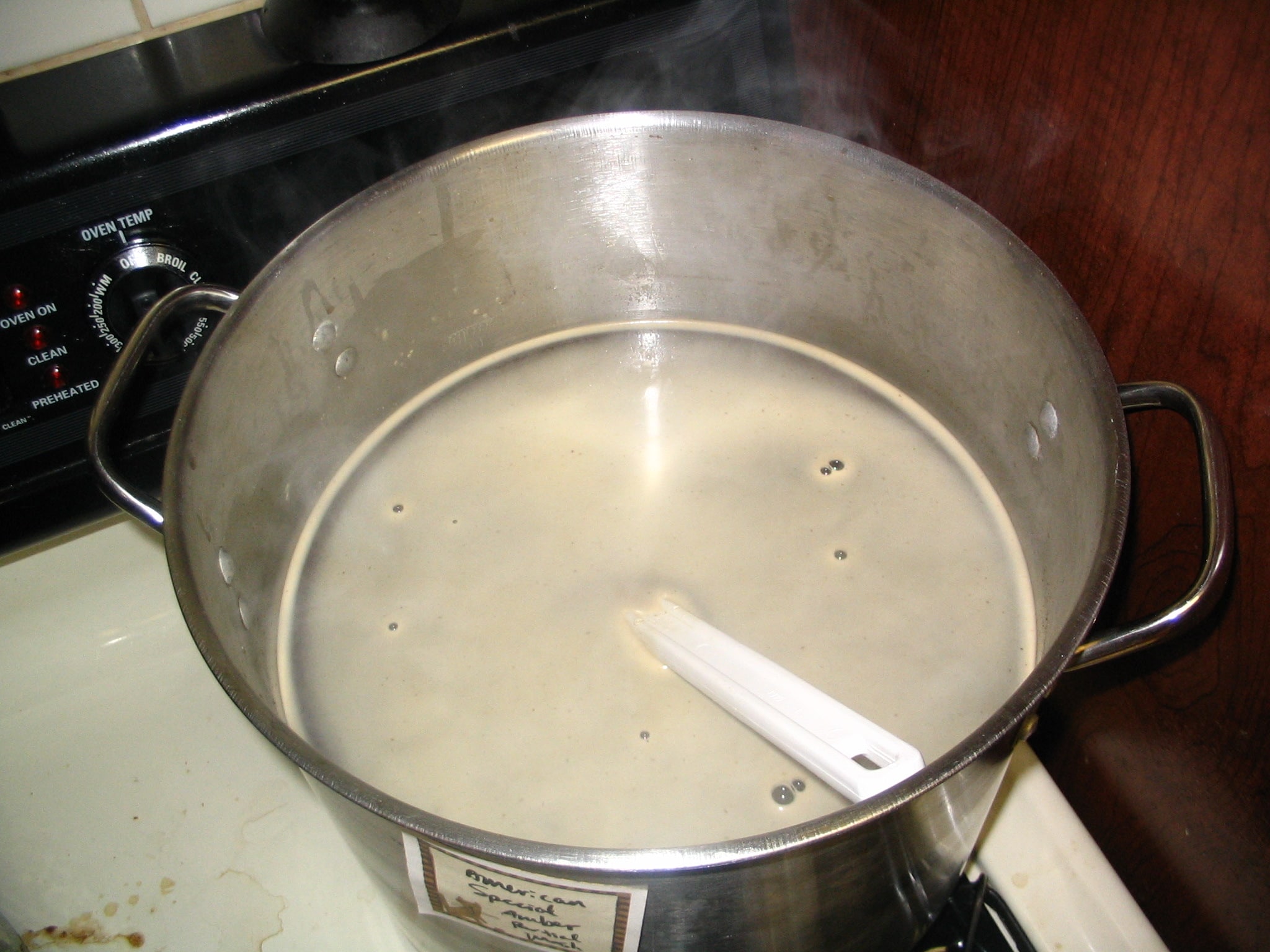
    During the brewing process your goal is to get the entire bitter flavoring out of the hops. You’ll begin by boiling water, extracting the wort from malted barley, re-hydrating the dry yeast and cooling the entire mixture. You’ll typically perform all of this on the stove pot over a sturdy metal pot. You don’t want to rush this process!

    Fermenting
    After the mixture has cooled, you’ll being the process of fermentation. This is an important part for making beer at home and you’ll need to pull out your fermentation bucket to accomplish it. Combining the yeast and the wort (with the hops) into the bucket it’s time to wait. Put the brew into a secure location, place the airlock firmly in place and practice a little patience. You do not want to disturb the mixture for two more weeks so make sure it is tucked away somewhere safe with a stable temperature of around sixty-five to seventy degrees Fahrenheit.

    Priming and Bottling
    This is the exciting stage as you are about to create nice, fizzy beer for your enjoyment! Keep in mind that a 5 gallon batch of beer can typically produce anywhere from forty to forty-eight bottles of beer. Remember that you can easily recycle old beer bottles, just be sure they are cleaned out. If you want carbonated beer then you’ll need to add what is referred to a priming sugar. When sugar is added back into the beer it will release a natural carbonation as it causes a slight re-fermentation to occur. There are many recipes available for priming sugars so use the one that’s best for you.

    After the priming sugar has been added you are ready to fill the bottles, which is the third step in the process of making beer at home. Using your siphon and bottle filling wand, fill each bottle and cap immediately. No matter how careful you are it is likely a small amount of beer will spill so keep a towel handy.

    Aging
    You might be ready to drink your beer now but the bottles need time to carbonate. This should take another two weeks or so before you can consume. Once again you’ll have to practice the most important aspect in the process of making beer at home: patience! They need the same temperature consistency as during the fermenting stage so tuck them away someplace nice and warm.

    Enjoying
    While some people like lukewarm beer, most feel the beverage is consumed best when ice cold. Once your beer is done aging, stick it in the fridge overnight to enjoy the next day. Then, kick back, relax and reward all of your hard work with an ice cold refreshing beer!

  • Is It Legal To Make Your Own Beer?

    Is It Legal To Make Your Own Beer?

    When you hear about people who brew their own beer it can easily conjure up prohibition images of speakeasies and moonshine distilleries. Perhaps it’s the puritanical past of American liquor laws that make many of us wonder about the legality of homemade beer in the USA. In an attempt to put your mind at ease, let’s discuss the laws surrounding homemade beer to get the liquor flowing freely again!

    For those of you interested in a little history you might remember that the 18th amendment to the US Constitution made home brewing beer illegal. Passed in 1919 the bill was enough to cause the prohibition era and also erupt an underground thriving black market of homemade brew. When President Carter signed H.R. 1337 in 1978 it officially ended the restrictions of the 18th amendment and allowed citizens to brew homemade beer without fear of taxation.

    The official statute that outlines federal laws regarding home brewing is United States Code of Federal Regulations Title 27, Part 25, Subpart L, Section 25.205 and Section 25.206. It’s an interesting document to read as it outlines how much beer an individual or family of two adults can produce in a year as well as what they can do with the beverage once it is made. In general, you can rest safe and sound that brewing beer for personal use is completely legal.

    Even though the federal government legalizes home brewing, individual states still have a say as to any specific laws. The only state left to completely ban home brewing is Alabama. Mississippi was also on this list until March 2013. So, unless you live in Alabama it’s best to research the legality of homemade beer in your specific state.

    If you currently live in Alabama, or you strongly believe in the legalization of homemade beer in the USA, you can take action steps to let political leaders know you want the laws to be changed. In Alabama be sure to reference homebrew legalization bills HB9 and SB171 in any correspondence as both have passed committee hearings and will soon come before the full House and Senate.

    You may be reading this and wondering why the legality of homemade beer in the USA is so important. What’s at stake if this right is limited? Some of the arguments against home brewers revolve around taxes and underage drinking. The reality is that there are not enough home brewers to even put a dint on the amount of taxes received from the sale of beer. It’s almost a non-issue to think that home brewers cause any type of financial crisis. Those accusing home brewers of promoting underage drinking typically don’t understand the slow, steady process of brewing a batch of beer. If minors are set on finding alcohol chances are they won’t wait three weeks until the supply is ready!

    For most of you, rest assured that you are safe and protected under US law to brew your own beer at home. If you still have questions after reading this article then do your homework to make sure you understand any expectations when making homemade beer.

  • The Many Paths to Great Home Made Beer

    The Many Paths to Great Home Made Beer

    Before you really get oriented to what home brewing is all about, it’s easy to think it is a process that is set in stone and there is only one right way to do it. And it is true that the brewing and fermenting process has some steps that must be followed with some discipline if you wish to enjoy a great home made beer. But one of the reasons that home brewing is such a passion to many people who enjoy this way of making beer is that there as so many varieties of recipes and styles of making.

    You can easily get a feel for what a huge variety there is in ways to brew beer and in recipes for ingredients when you visit your local beer supplies retailer, go to home brewing web sites or sit in at home brewing club meetings in town. And the great thing about the social side of the home brewing culture is that you will come home with a notebook full of ideas of things you can try on upcoming batches of beer. The odds are you will have months of ideas to try out and you may never run out of new approaches, blends and recipes to try to make your home made beer interesting and tasty for yourself, your family and your friends.

    For that first time home brewing recruit, one of the best ways to help him have the fun of making beer at home without so much investment and mess that will come in due time is to go with a home brewing kit or machine. Beer making machines literally take all of the thinking and planning and risk out of trying out home brewing to see if you want to make the investment in a full set up. The machine comes with a full set of ingredients for one batch of beer and the equipment is automated so the novice home brewer can make the beer and move it through the fermentation and aging process and know the fun of having real home made beer a few weeks later.

    Similarly kits simply the process of buying and using the equipment and ingredients to get started in home brewing. Unlike the beer making machine which is used once and discarded, the beer maker’s kit gives you the basic equipment which will be the beginning of your collection of the tools of a beer maker to be used over and over many times. But the kit provides the ingredients and the instructions to make the process of learning to make your own beer easy and fun to learn.

    Even for seasoned home beer makers, there are variations on the home brewing method that will give you more flexibility and range of choices that will affect how unique your beer will be. But each may have a greater investment of work and effort to use effectively so it’s worth getting familiar with them in advance so you know your investment of time and effort and what you might expect with a new brewing method.

    Probably the most common brewing method most amateur brewer’s use and the one that is taught in most home brewing guides is the extract method. And even though it is well known, because you are truly brewing beer yourself as opposed to using a kit or a machine, you can alter the consistencies and flavors of your beer and get a wonderful brew each time you use this approach.

    You can settle on the extract method for a long time or perhaps use it exclusively for your brewing career and get great beers with it every time. But if you want a greater challenge and the possibility for even more unique beers as a result, you can explore the Mini-Mash method and the Full Mash Brew styles of home brewing. Each is more complex and takes longer to finish the brewing process. But they also give you a lot of flexibility and even more ability to make your own beer unique and distinctive.

    It’s up to you where to start in your beer brewing hobby and the paths you take. You can explore new approaches through networking with other brewers. But you will never get bored brewing beer at home because the variety of methods and ingredients are virtually limitless.